Hasami
Hasami Porcelain™ from Japan combines modern shapes, traditional craftsmanship, and materials that reveal and embody their natural origin and production. The simple elements with uniform diameters and heights allow for versatile use.
Hasami Porcelain™ was designed in 2012 by Takuhiro Shinomoto, who is originally from Japan and now lives in Los Angeles.
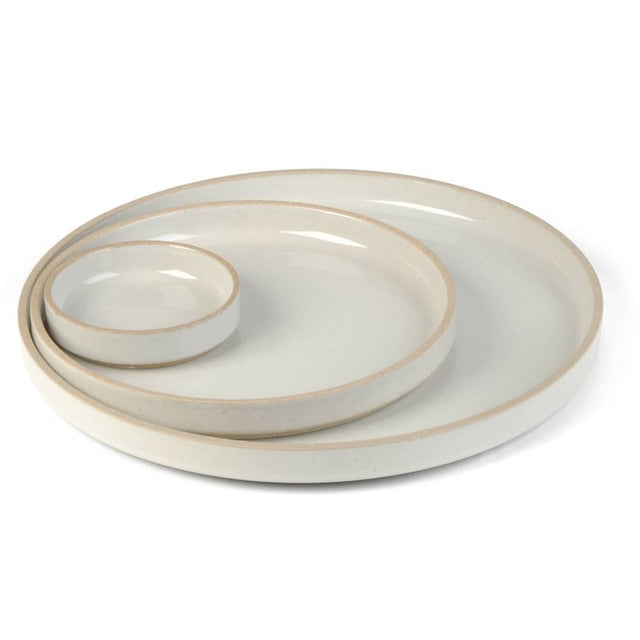
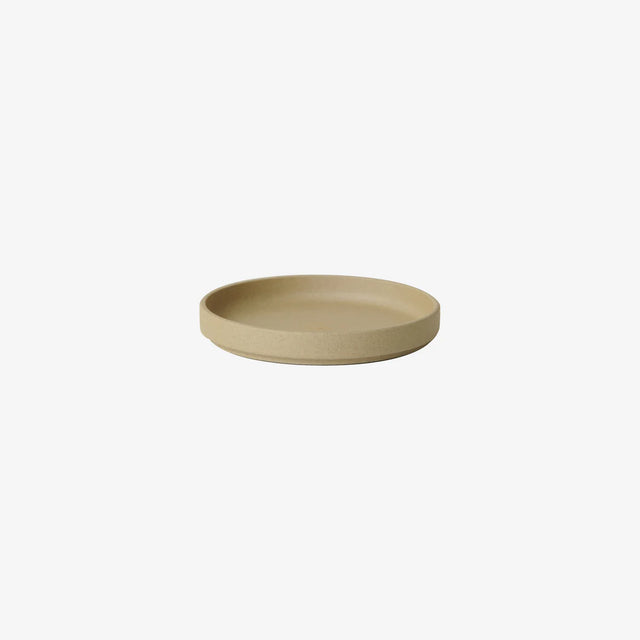
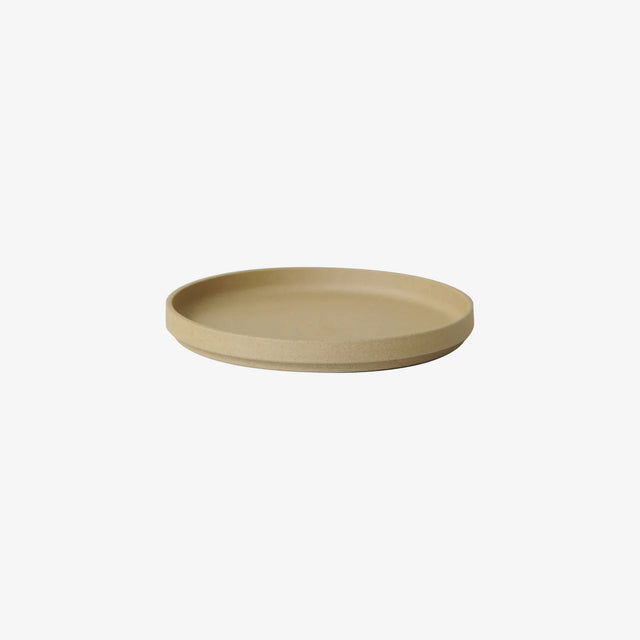
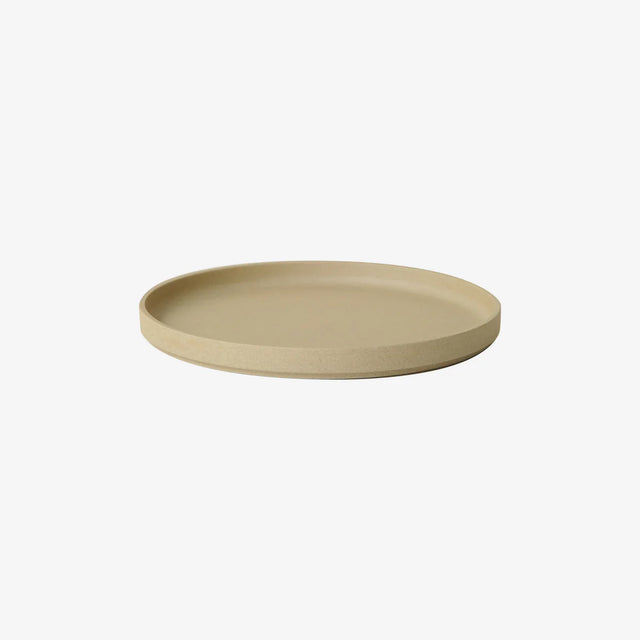
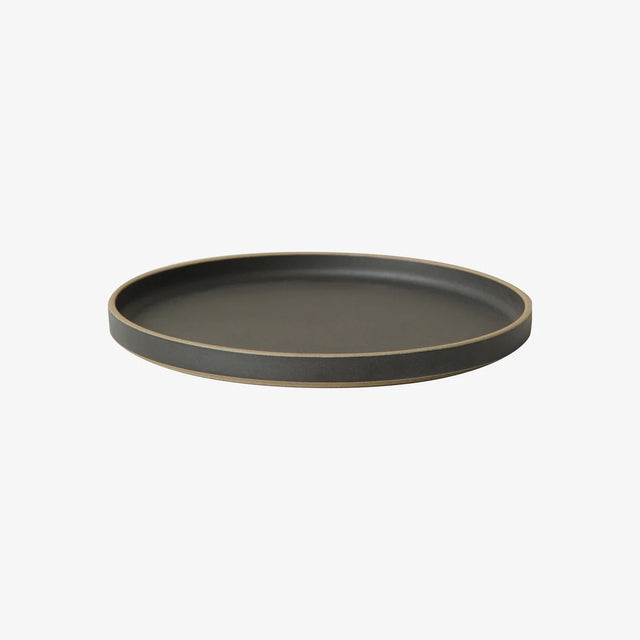
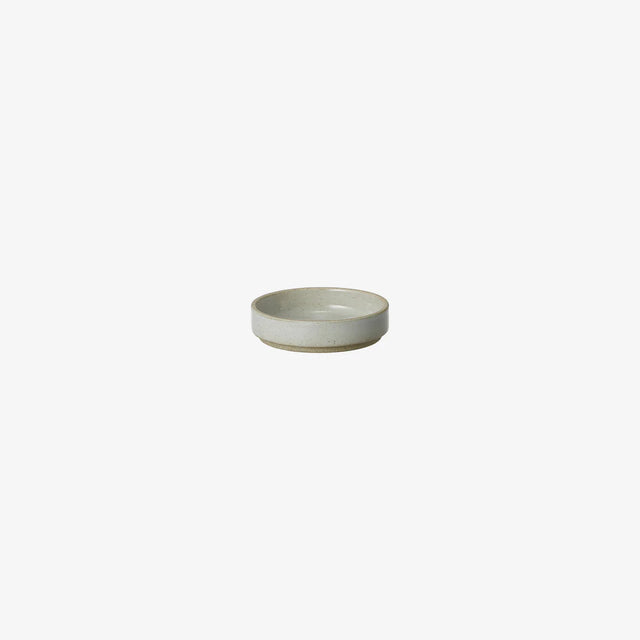
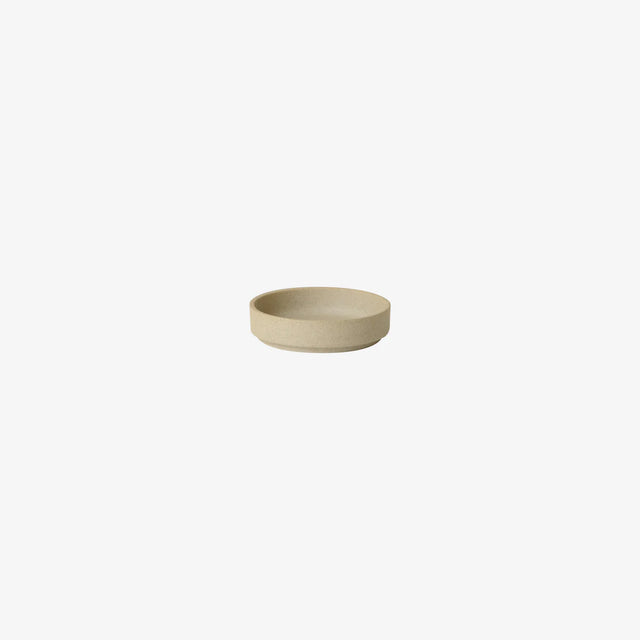
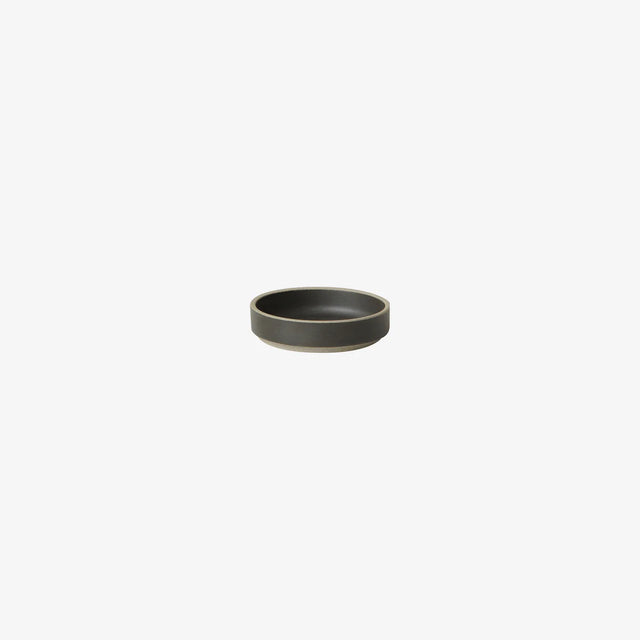
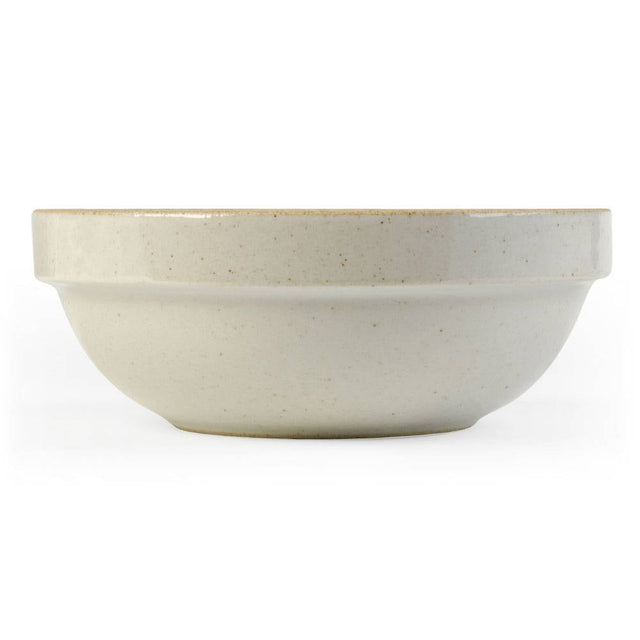
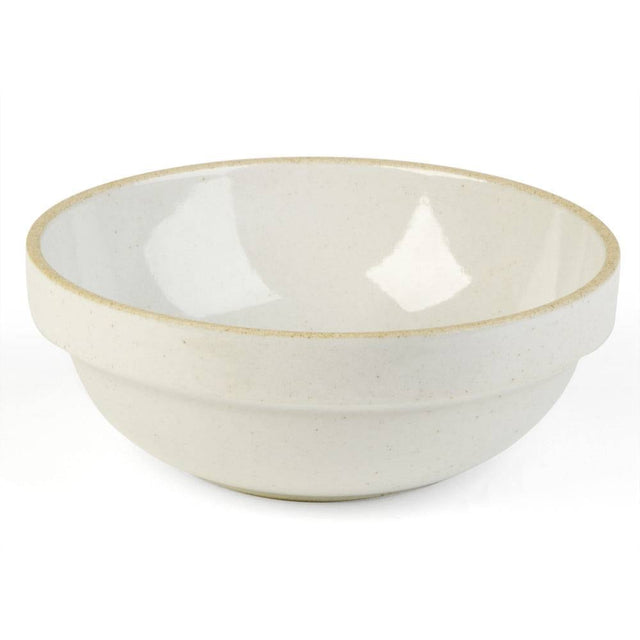
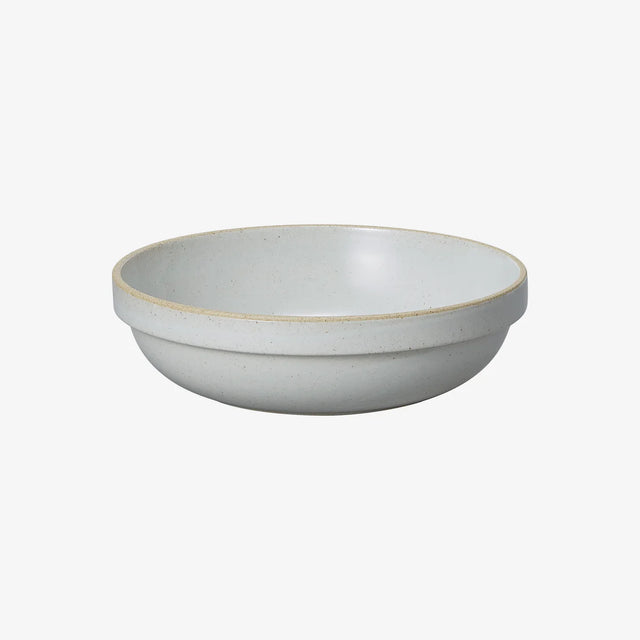
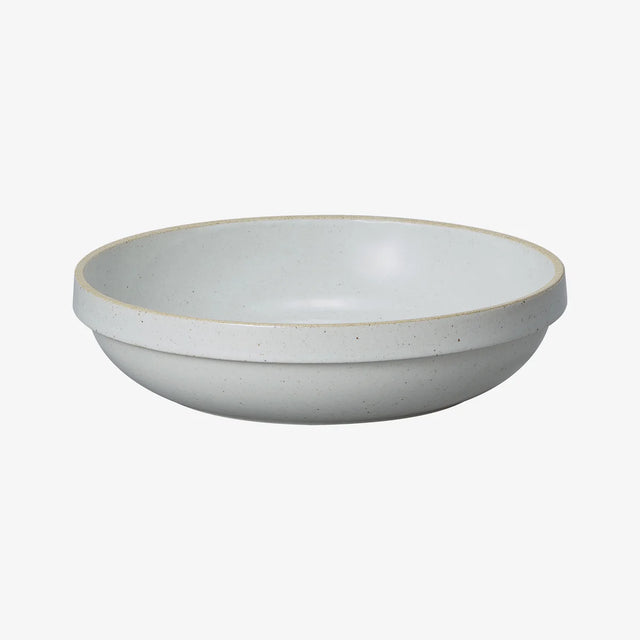
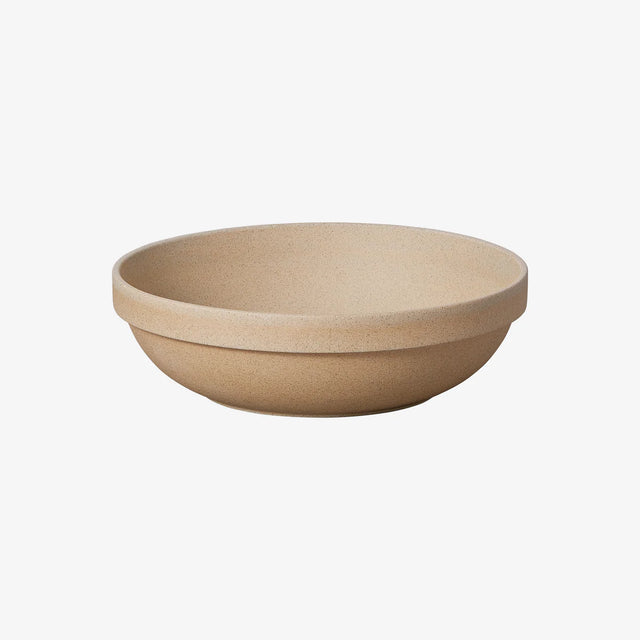
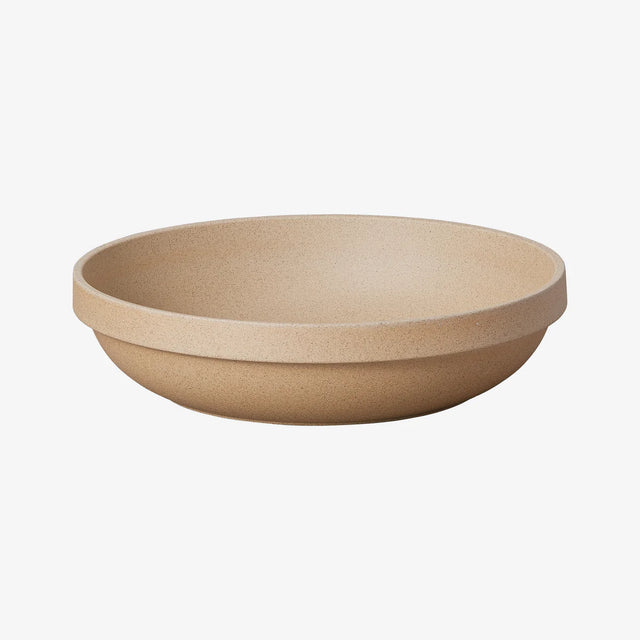
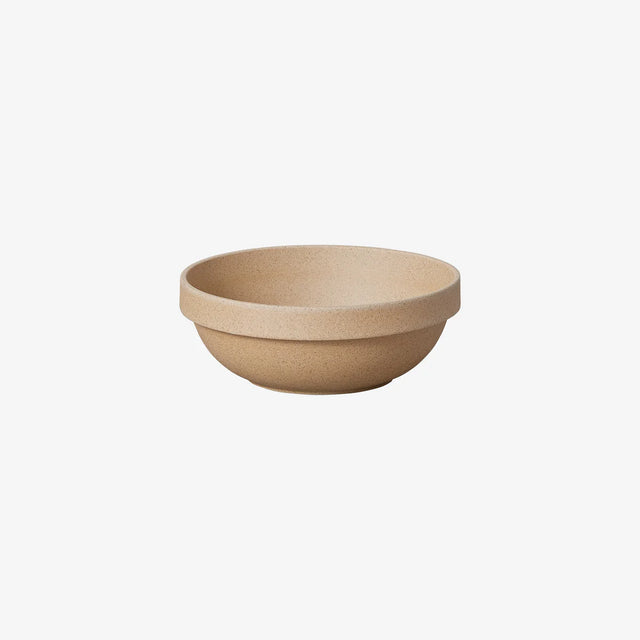
Cups, mugs, pots, plates, and bowls: Hasami Porcelain is a modular tableware set made from cylindrical elements. The plates can also be used as lids for the bowls or as coasters. All elements have diameters of 8.5, 14.5, 22, or 25.5 cm. The heights are 2.1 cm (plates), 5.5 and 7.2 cm (bowls and cups), 8.9 and 10.6 cm (mugs and pots) – making the Hasami pieces combinable and stackable.
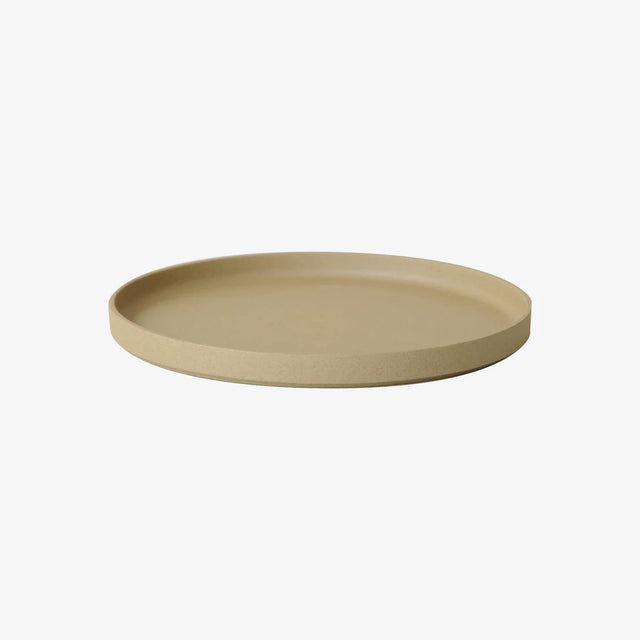
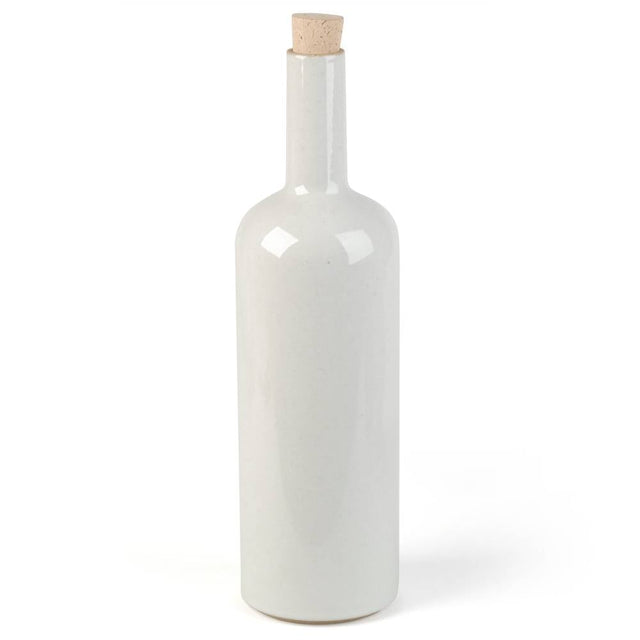
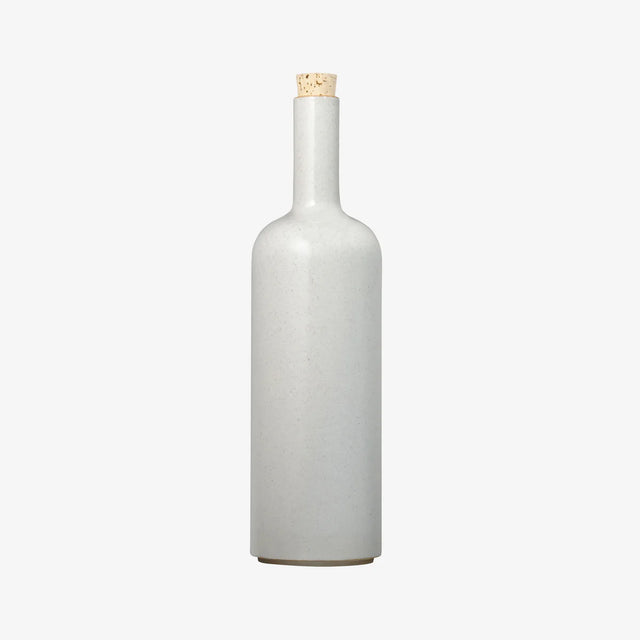
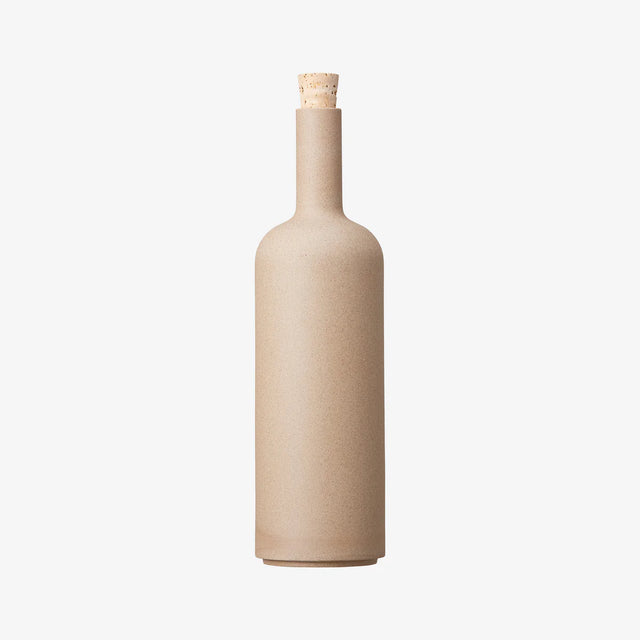
Hasami Porcelain gains liveliness and warmth from the material used – sand-colored ceramic that varies slightly each time, shifting between light brown, beige, and gray. The unglazed version has a slightly rough surface. The earthy, coarse, almost archaic texture is created during production by the slightly different composition of various clay minerals.
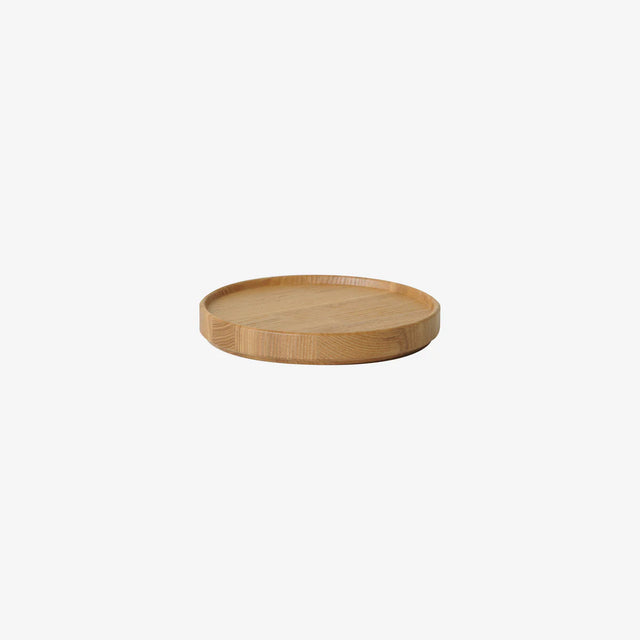
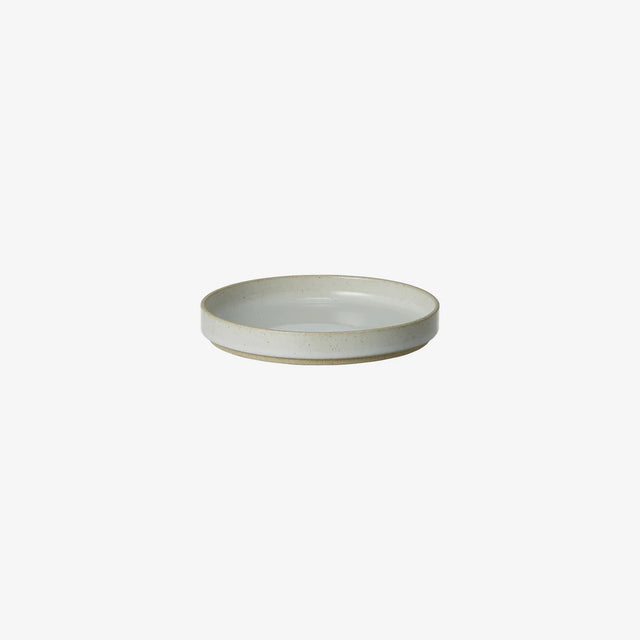
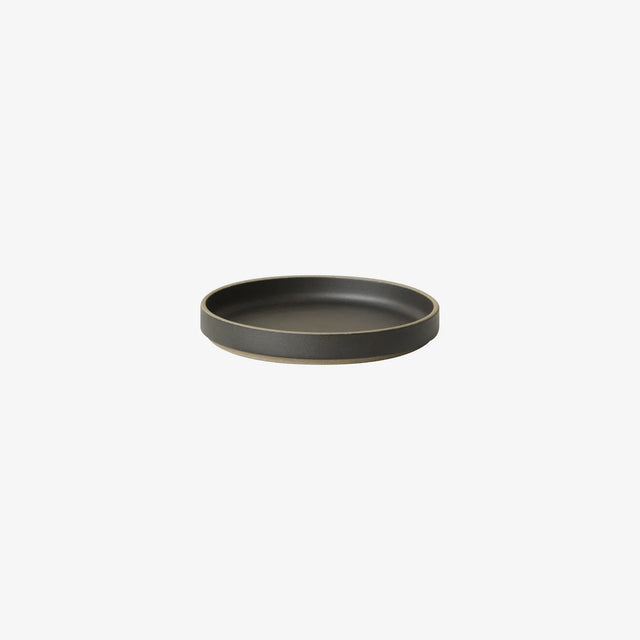
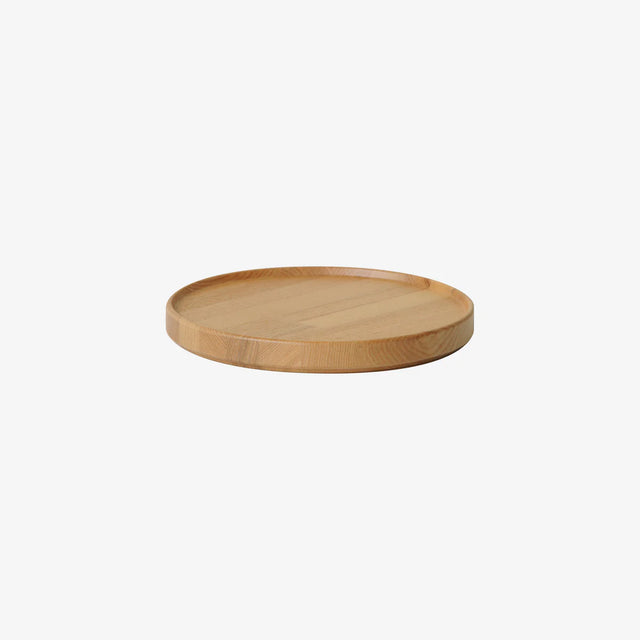
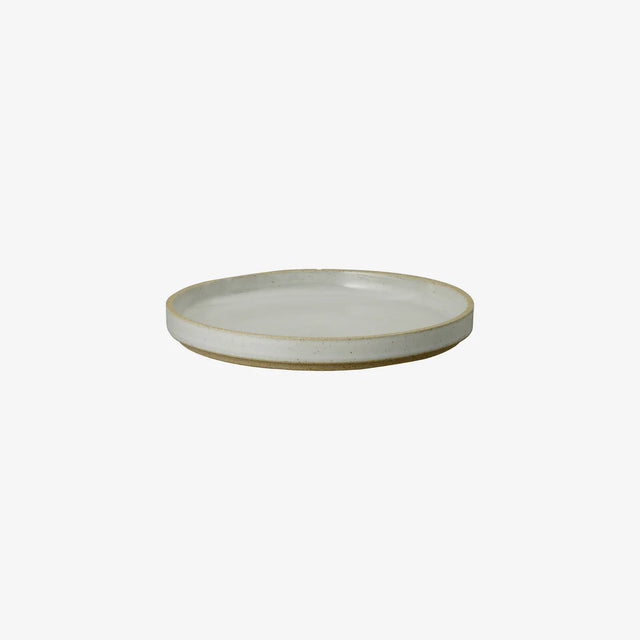
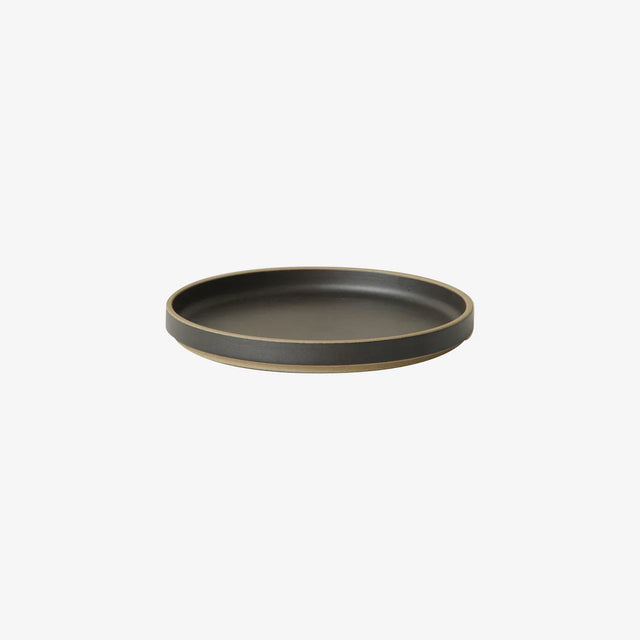
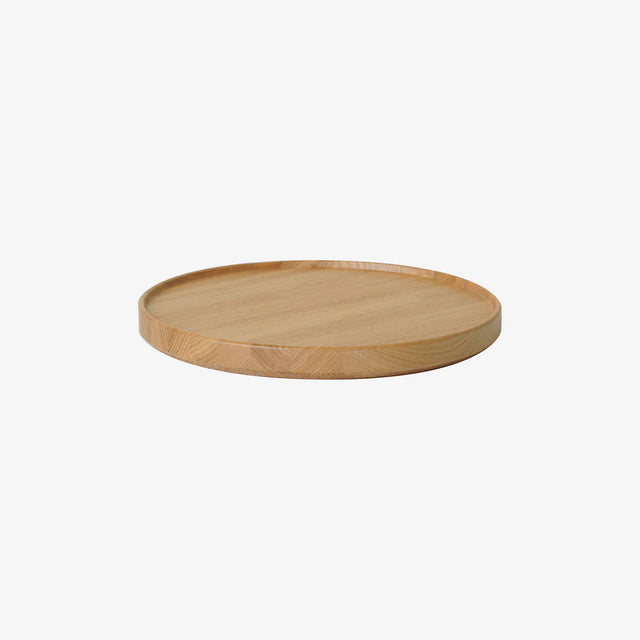
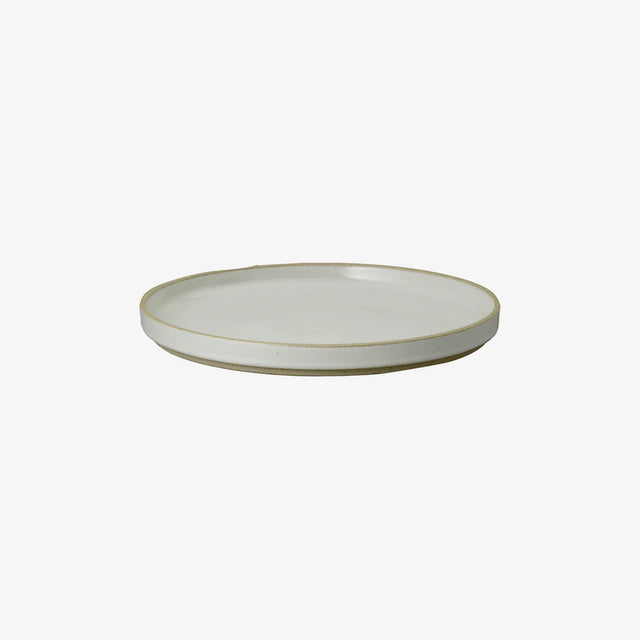
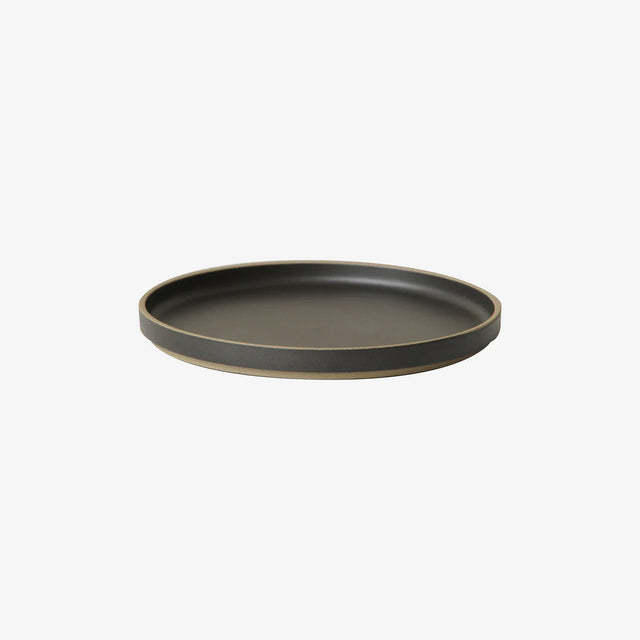
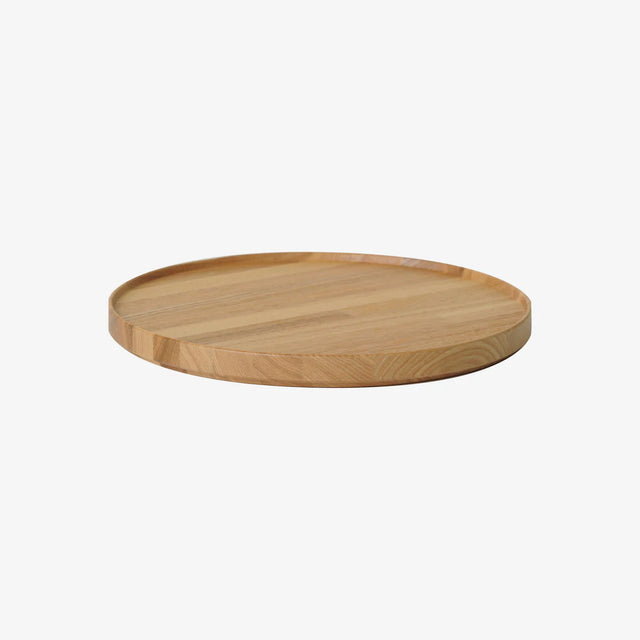
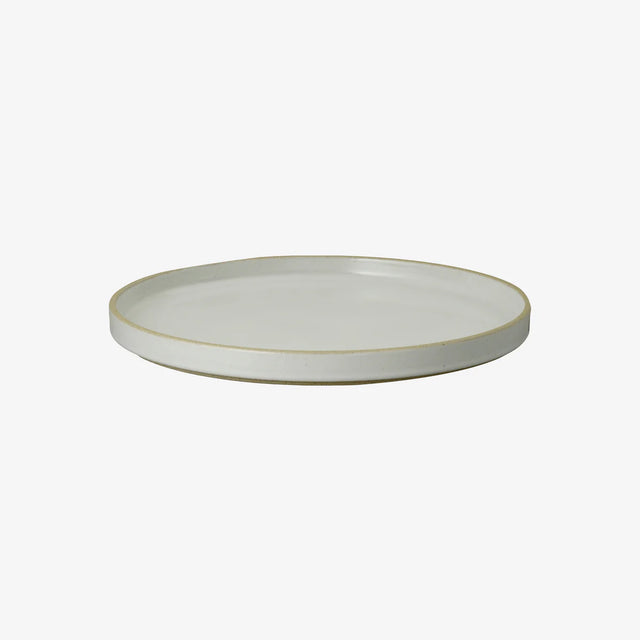
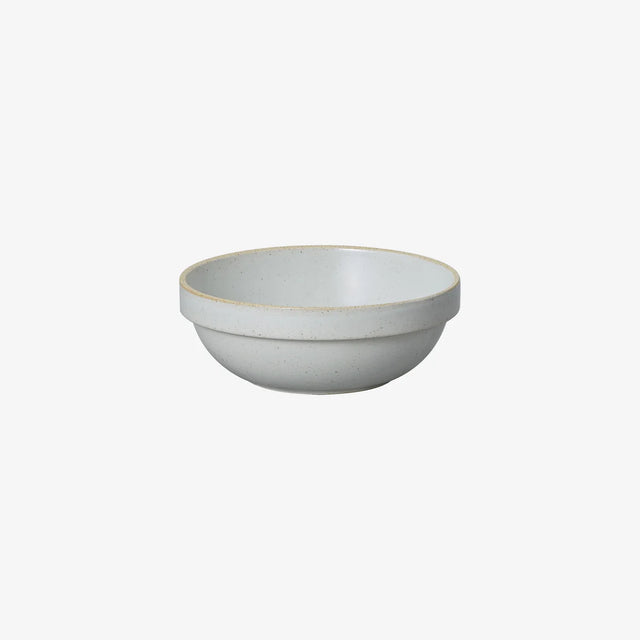
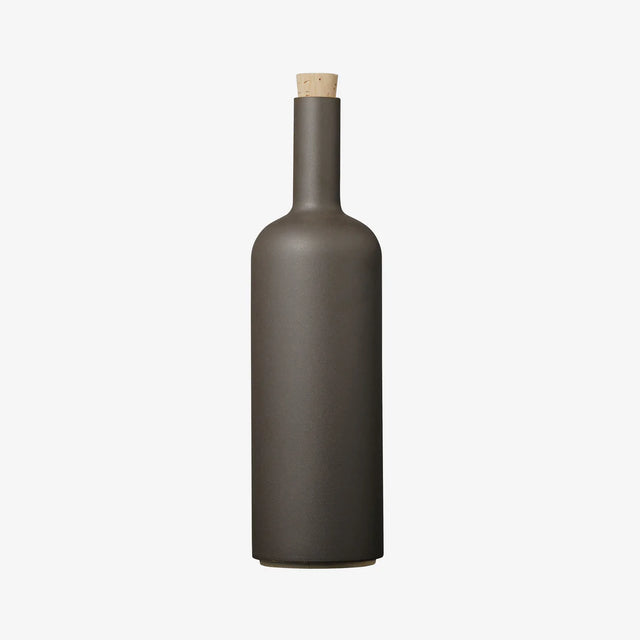
Additionally, Hasami is available in glossy light gray glaze or matte black, with the rim and underside left unglazed. The lids made of ash wood provide a beautiful material contrast.
Hasami Porcelain is dishwasher safe and microwaveable but must not be used in the oven.
The ash wood elements can be used as lids or trays, but they do not tolerate prolonged moisture and should only be wiped clean.
Hasami Porcelain™ is produced in several ceramic workshops in the town of Hasami, located in the far west of Japan, near Korea. Hasami has a long tradition of porcelain production. According to legend, this was founded by a potter from Korea who built a kiln in the then village in 1598. Porcelain production only became possible shortly after when the necessary raw materials were found in the area. A very similar story exists for the famous porcelain from Arita, a few kilometers north of Hasami, where porcelain production in Japan supposedly began in 1616.
In Hasami, mass production was achieved with good quality and acceptable prices. The porcelain was offered not only throughout Japan but also exported to Europe via nearby Nagasaki. Even in the 1990s, a large share of Japanese everyday porcelain came from Hasami.