
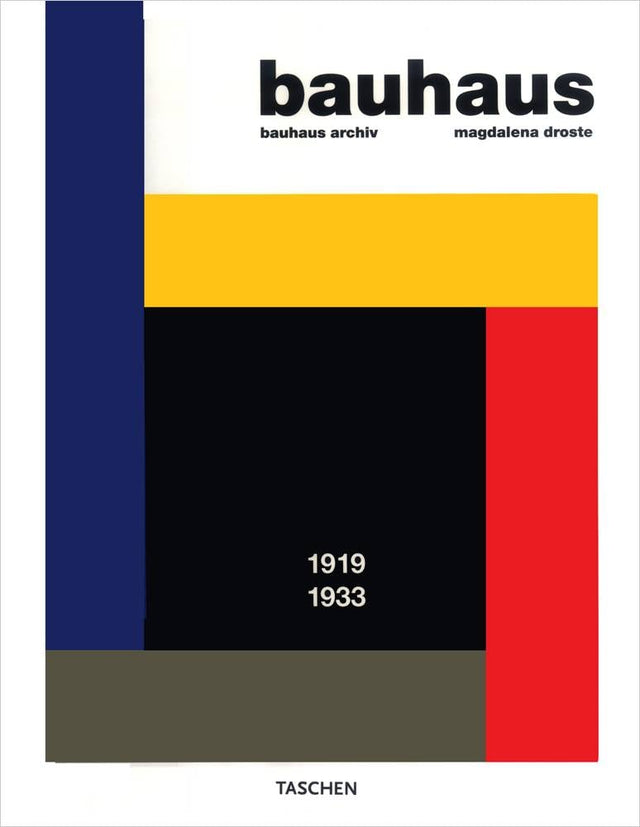
Bauhaus 1919 — 1933 | Japanese | large format
- Delivery time within the country 2-5 working days
- 30-day return policy
- With every purchase, you support the Bauhaus Archive Museum of Design
The definitive reference work in Japanese. This book is made in collaboration with the Bauhaus-Archiv/Museum für Gestaltung in Berlin, the world’s largest collection on the history of the Bauhaus.
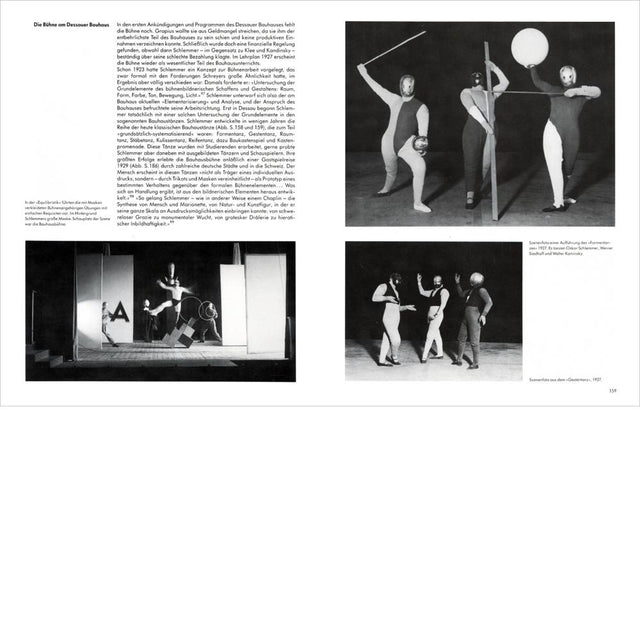
In a brief 14-year span between two world wars, Germany’s Bauhaus School of Art and Design transformed the face of modern life. With idealistic visions for the future, the school developed a groundbreaking blend of fine art, handcraft, and technology, which they applied across fields and practices from film to theater, sculpture to pottery.
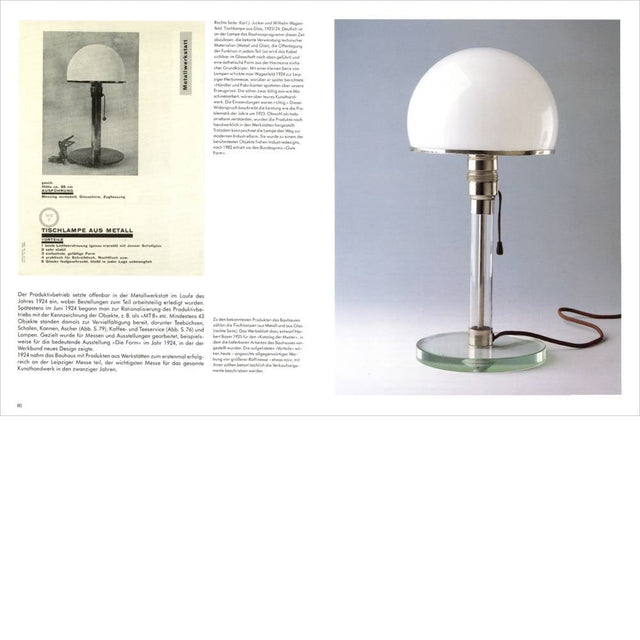
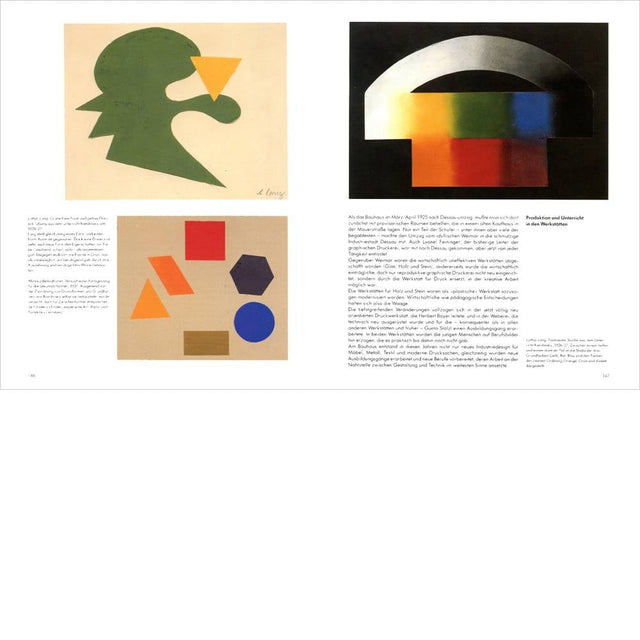
About 550 illustrations including building plans, studies, photographs, sketches, and models document not only the completed works but also the guiding principles and figures of this idealistic creative community through its three successive homes in Weimar, Dessau, and Berlin. From casual photos of group exercises to drawings led by Paul Klee, from detailed architectural plans to a perfectly smooth ashtray by Marianne Brandt, the collection overflows with the colors, materials, and shapes that formed the Bauhaus vision of a “total” work of art.
As the Bauhaus centennial approaches, this is a defining account of its spirit and discipline, not only as a pioneering movement in modernism but also as a model of art instruction, where creative expression and forward-thinking ideas led to works both practical and beautiful. Featured artists include Josef Albers, Marianne Brandt, Walter Gropius, Gertrud Grunow, Paul Klee, Ludwig Mies van der Rohe, and Lilly Reich.