
Bauhaus.Lettering | Bauhaus.Lettering
- Available soon
- 30-day return policy
- With every purchase, you support the Bauhaus Archive Museum of Design
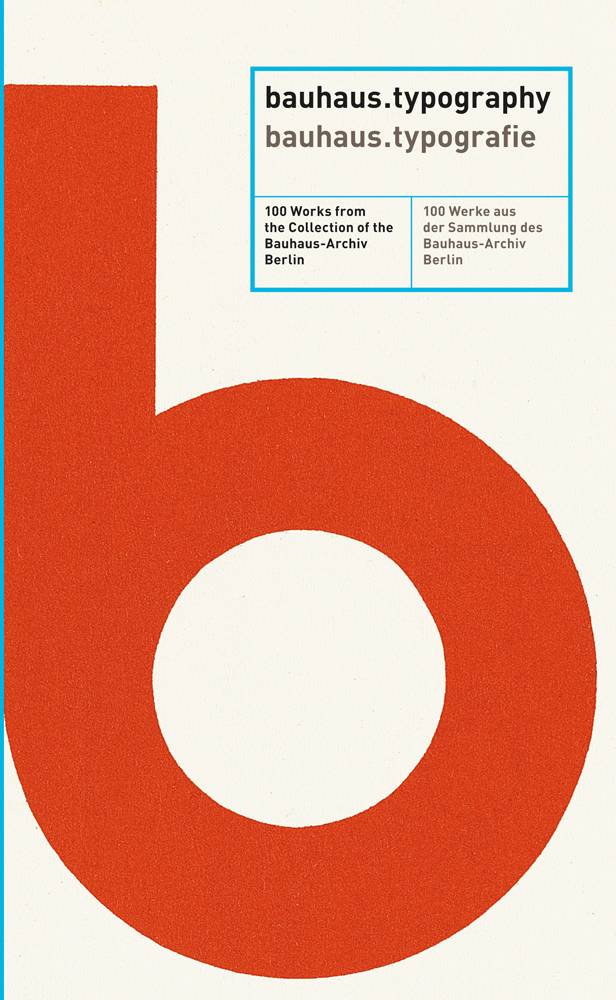
The Bauhaus Archive / Museum of Design in Berlin holds one of the most extensive collections of typographic works from the Bauhaus. With the selection shown here, we wish to provide insights into this rich collection as well as to illustrate the diverse possibilities and multifaceted handling of this medium at the Bauhaus.
The Bauhaus – probably the most important avant-garde school of the 20th century, founded in 1919 by the architect Walter Gropius in Weimar, relocated to Dessau in 1925, and closed in Berlin in 1933 under pressure from the National Socialists – offers numerous points of association and connection for all who are interested in building and design. In the workshops of the Bauhaus, modern objects for a new way of life were created, from everyday items to residential buildings. Not a few designs, especially in the fields of furniture and building, gained historical significance.
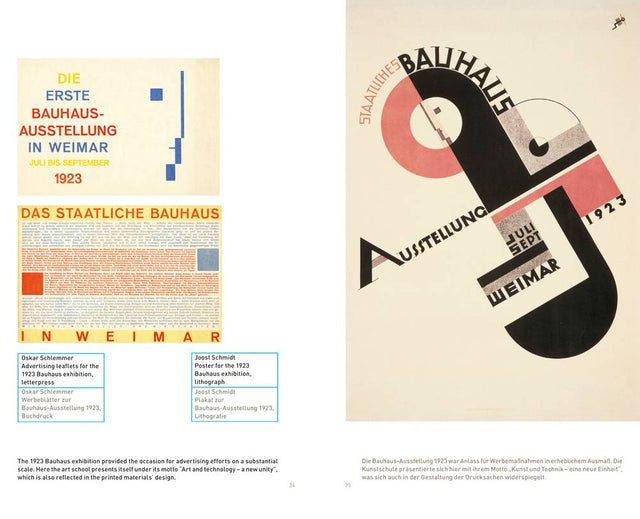
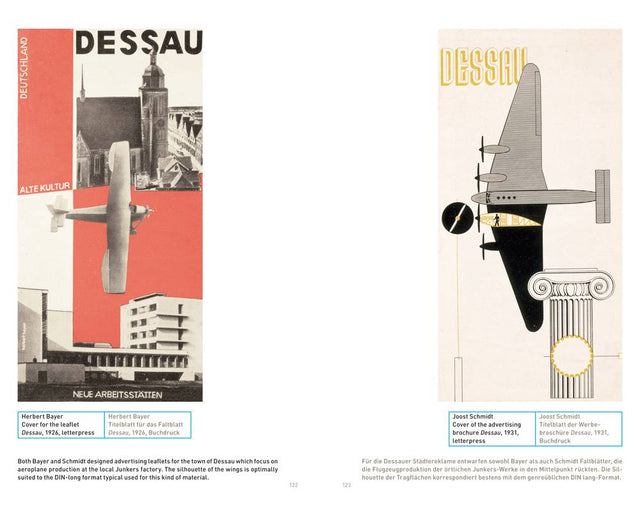
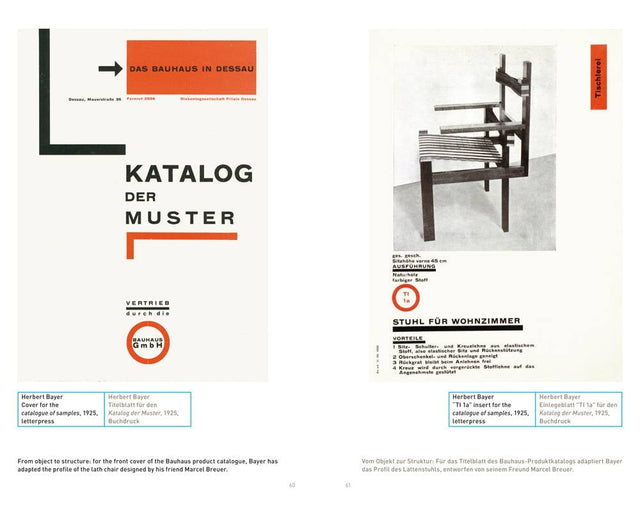
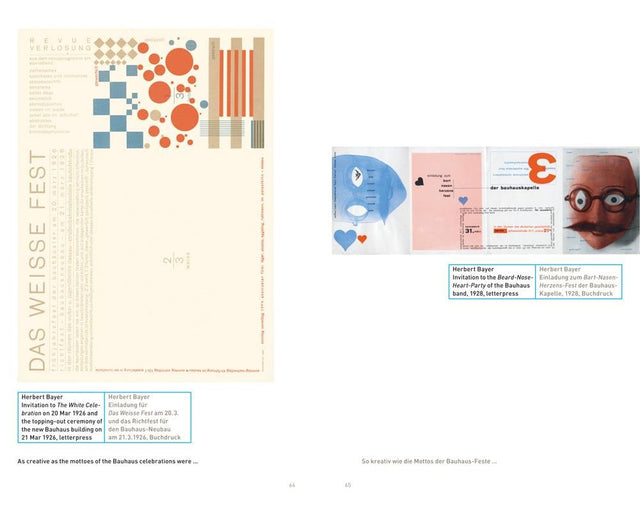
Typography already played an important role at the founding of the Bauhaus. In the first years still shaped by the expressive-calligraphic visual language of Johannes Itten, the Bauhaus, especially through the teachers László Moholy-Nagy, Herbert Bayer, and Joost Schmidt, contributed to the spread of the so-called New Typography. Mainly used in self-promotion for the school and its products, but increasingly also for commissioned work, the works are often characterized by a clear page layout, the use of striking typographic signs, strong contrasts of color, size, and position, standardized formats, as well as the interpenetration of image and text.
